


Updates from the Center for the Environment

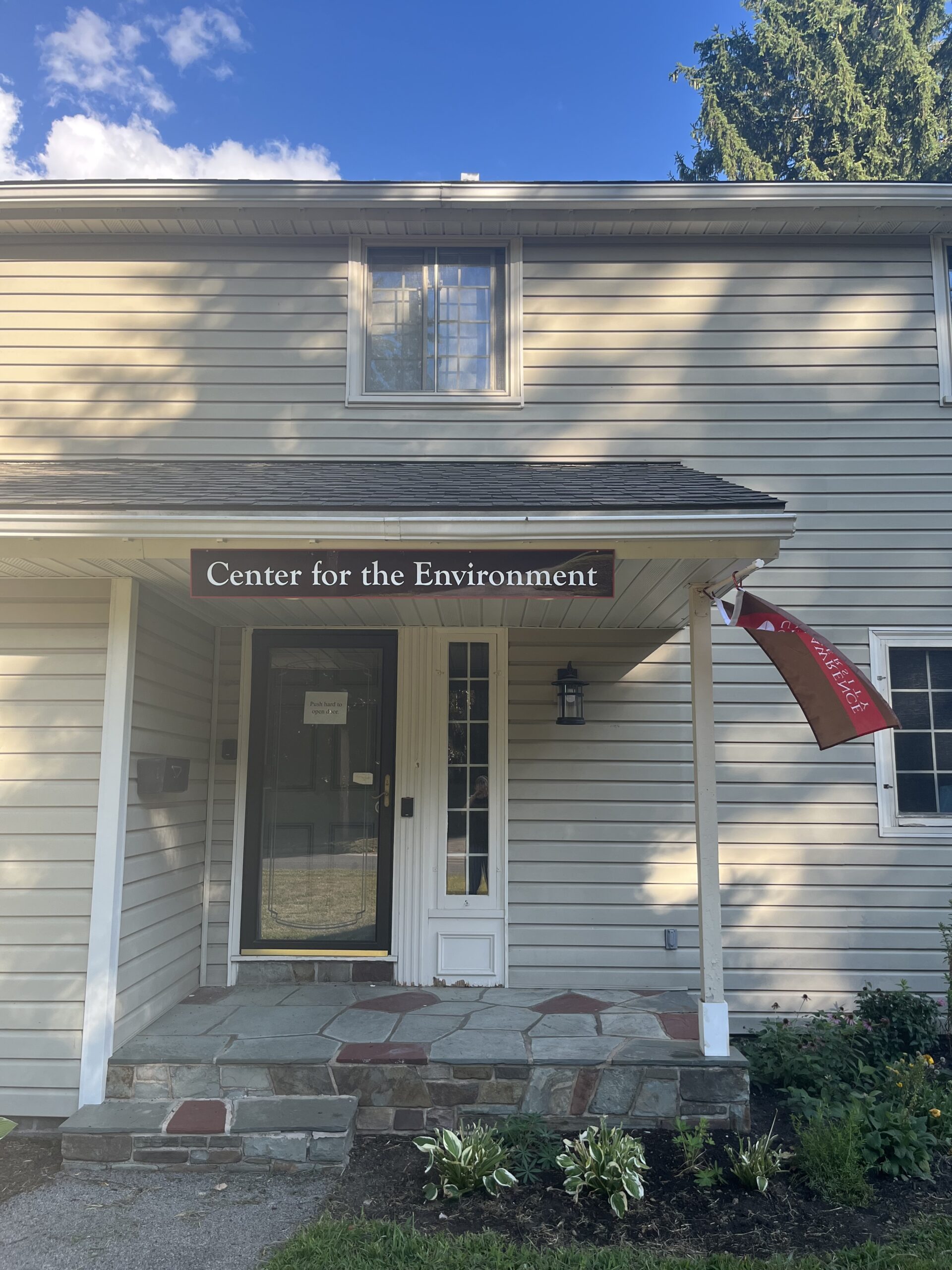
The St. Lawrence University Center for the Environment is starting several new initiatives and projects this semester, as well as getting off the ground with some projects they already had in the works.
Executive Director of the Center for the Environment Diane Husic said that the Center’s priorities this semester are to give students of all backgrounds more opportunities to get hands-on problem-solving experience in sustainability. “We can be leaders at this campus,” she said.
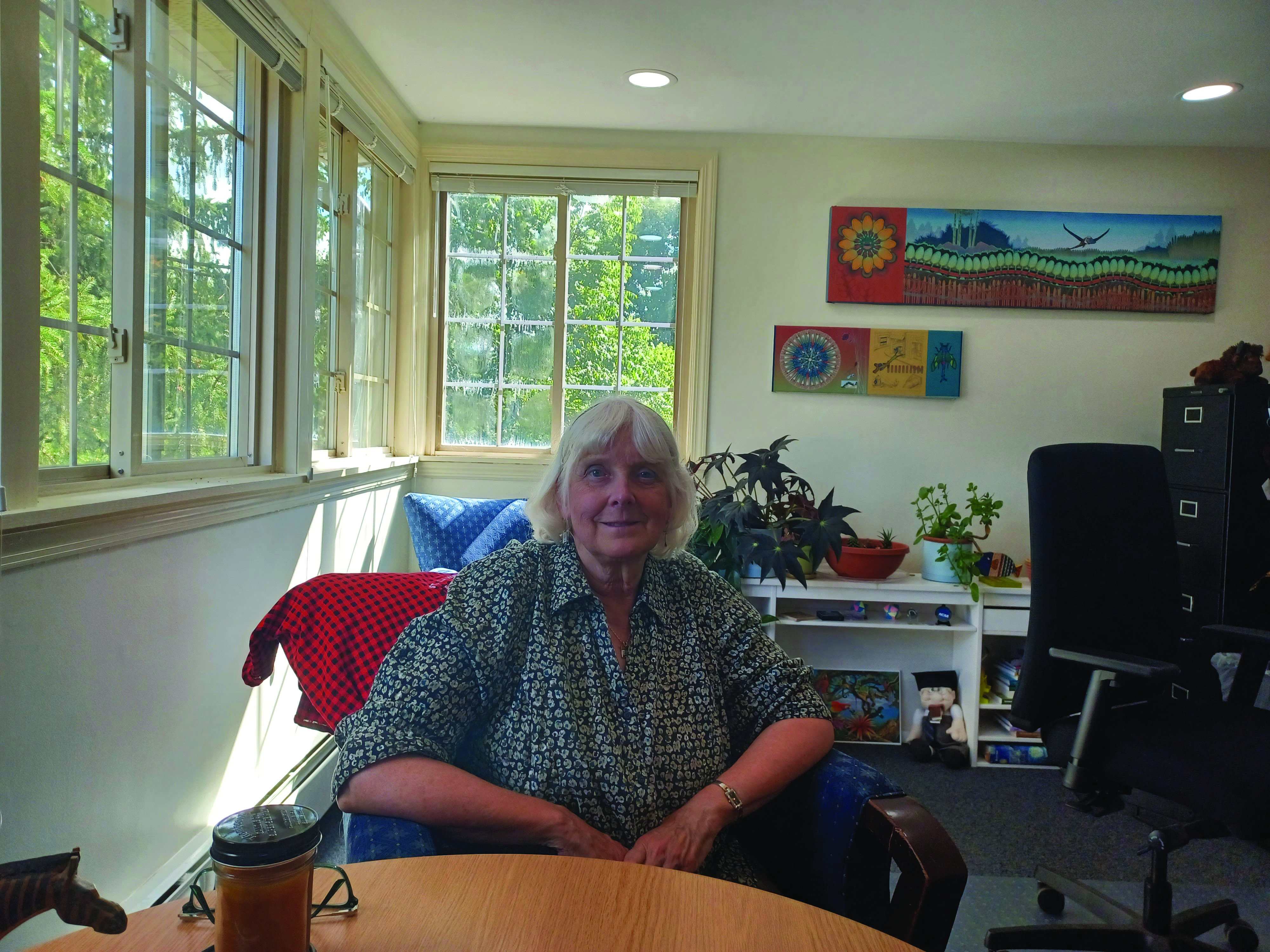
Executive Director of the Center for the Environment Diane Husic said that the Center’s priorities this semester are to give students of all backgrounds more opportunities to get hands-on problem-solving experience in sustainability. “We can be leaders at this campus,” she said.
The most exciting thing that may not have reached students yet, according to Husic, is that SLU is joining the Ecoleague, a national consortium of six liberal arts colleges with environmental initiatives. Being part of the league means that SLU students can opt to do an environment/ sustainability-related off-campus study at one of the other member schools, which include Dickinson College in Pennsylvania, New College of Florida, Prescott College in Arizona, College of the Atlantic in Maine and Alaska Pacific University in Alaska. Husic said this could enable students to experience the environment in completely different habits from what we have at SLU and the program at Prescott would also let students study marine mammals while working with Mexican communities in Baja California. Husic wants to create a joint program between the colleges that would send students from each school to travel up to the Artic circle and do some sort of project there.
Another way that the Center for the Environment will be hoping to provide students with these kinds of opportunities is through what Husic is calling a green internship fund. The fund, donated by alumni, will support students doing internships that may not be able to provide them with adequate pay, as long as the internship involves sustainability and/or environmental issues in some way. The Center already sponsored three internships over the summer, in locations from Alaska to Pennsylvania to New England with jobs ranging from outdoor expeditions to non-profit research to organic farming. Husic also wants to encourage sustainability internship projects on campus through the fund.
As for other updates this semester, Husic said that the Campus Committee on Sustainability and Carbon Neutrality, a group of students and faculty with the goal of achieving net zero carbon emissions on campus, is being merged into the Center for the Environment this semester. Husic appreciates the ambition of that goal, but she wants to make sure that the Center is able to make progress and keep the scope of its project more diverse, which will mean focusing on more than just greenhouse gas reduction. She wants to connect with scientists and artists of all kinds, perhaps creating an “oversight committee.” She plans to approach her vision by “creating this oversight committee, working closely with facilities, working with senior staff through this office on big-picture priorities and defining sustainability much broader, and then having working groups.”
Husic loves seeing the way that students have already taken advantage of campus resources to engage with sustainability. “Over the summer, there was an intern who worked on, I’ll say ‘permaculture garden’ … but the little garden on campus, and she created a digital storytelling, what we used to call blogs,” she said. “She’s just wrapping it up now, but it’s this really great way of talking about sustainability that she did over the summer, and what she learned, how she engaged other students in the process, and what they did in the garden and things like that.”
Other projects the Center for the Environment will be working on this semester include addressing climate change impacts on athletes, studying campus biodiversity, cultivating the campus gardens and creating more sustainability research lab opportunities.