


Look Out for the Stars

With the 2025-26 academic year underway, the Henry Priest Professor of Physics Aileen O’Donoghue wants St. Lawrence University students to know what astronomical phenomena to look out for in the night sky this academic year.
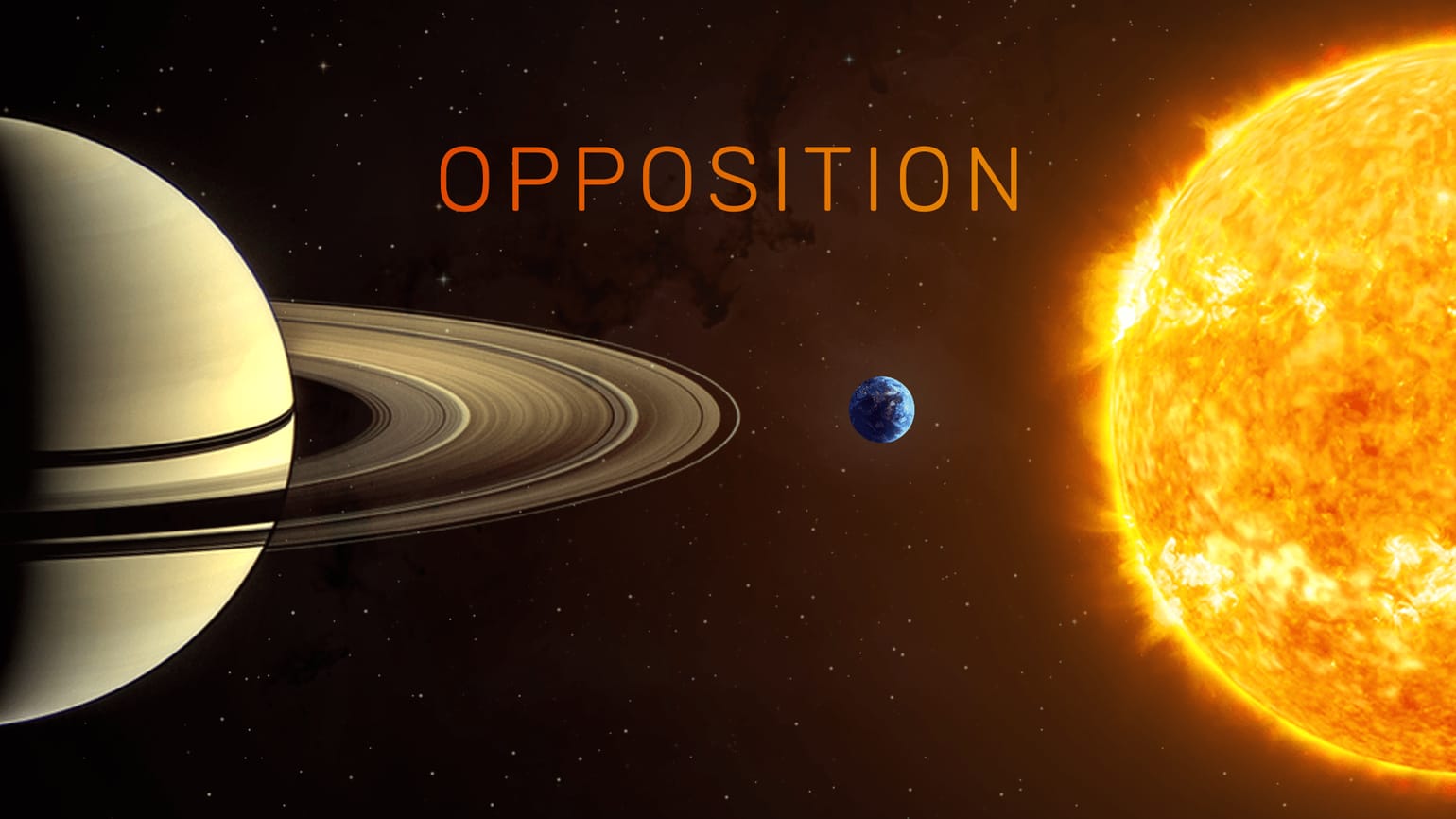
One of the things that students might be the most interested in checking out is the opposition of Saturn, according to O’Donoghue. Starting on Sept. 21, Saturn will be on the opposite side of Earth from the Sun. “The planets have been primarily in the morning sky,” she said, “but Saturn is going to start being prominent in the evening sky.” This happens once a year whenever Earth, which moves faster due to a shorter orbital radius, catches up to and passes Saturn. It is also the closest Saturn comes to the Earth, at a distance of 71 light minutes. That means it would take 142 minutes for a beam of light to travel to Saturn from Earth and back.
O’Donoghue said that Saturn being so close means that it will be “the brightest thing in the night sky.” This will be an opportunity for students to get a good look at the ringed planet. Neptune will also be in opposition starting on Sept. 23, but it will be too far away to observe without a telescope. O’Donoghue said that she will have an “observing Saturn session” for her astronomy students later in the semester, but if students want to see both Saturn and Neptune before then, they should head to the Adirondack Sky Center in Tupper Lake, where they will have lots of telescopes. Jupiter will be bright in the evening sky next semester.
Other phenomena that O’Donoghue said may be of interest include the fall equinox on Sept. 22 at 2:19 p.m.; the Harvest Moon on Oct. 6; a lot of super moons, which result in greater tides; the time change on Nov. 2; the winter solstice on Dec. 21 at 10:03 p.m.; and the Geminids meteor showers in early December. There was a total lunar eclipse last weekend, but it was on the other side of the planet. O’Donoghue said that her cousin saw it and said it was “spectacular.”