


Say Bye to the Penny!

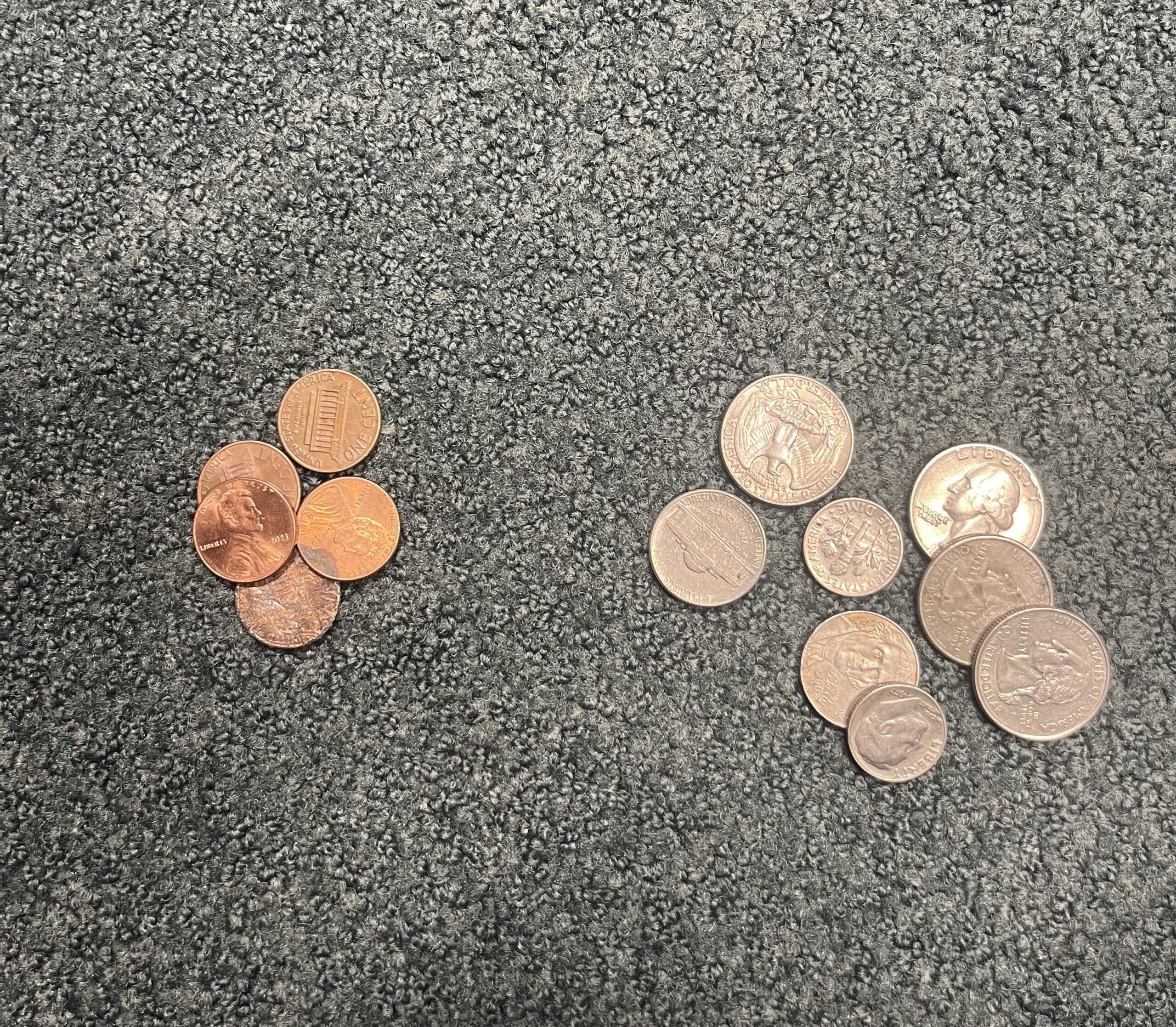
On Nov. 12, 2025, the last penny was made by the United States Mint. This marks the end of a year-long discussion over whether the penny has any real value to American businesses and consumers. The Mint says it has deemed the penny “no longer necessary to meet the needs of the United States” and that a major factor in discontinuing it is rising production costs. Before the discontinuation, each penny cost over three cents to produce. In fact, the Mint projects that discontinuing the penny will save them $56 million every year.
But if you’re a penny lover, there is no need to worry: although they are no longer being minted, they are still official U.S. tender and can be used in transactions. The Mint will also continue to produce collector versions of the penny in small quantities.
The penny has had a long history as the United States’ smallest coin, as it was one of the first coins to be produced after the Mint was created in 1792. Over the years, many iterations of the penny have been produced besides the classic bronze penny featuring Abraham Lincoln. One of the earliest special edition versions was a steel penny made during World War II, as copper was needed for the war effort. Other notable pennies include the 2017 penny marked with a “P” in honor of the Mint’s 225th anniversary, and most recently, a 24-karat gold penny created in 2025, with only 232 being made.
So What Will Happen to the Penny Now?
As the penny slowly fades from circulation, the public is encouraged to spend them sooner rather than later, while businesses are encouraged to round prices to the nearest five cents to ensure cash transactions run smoothly and accurately. The Mint says this should not affect overall consumer prices as “final transaction prices will be rounded down just as often as they will be rounded up.”
So although the penny has stopped being produced, its true fate in the hands of U.S. consumers remains to be seen.