


“Forever Chemical” Regulations

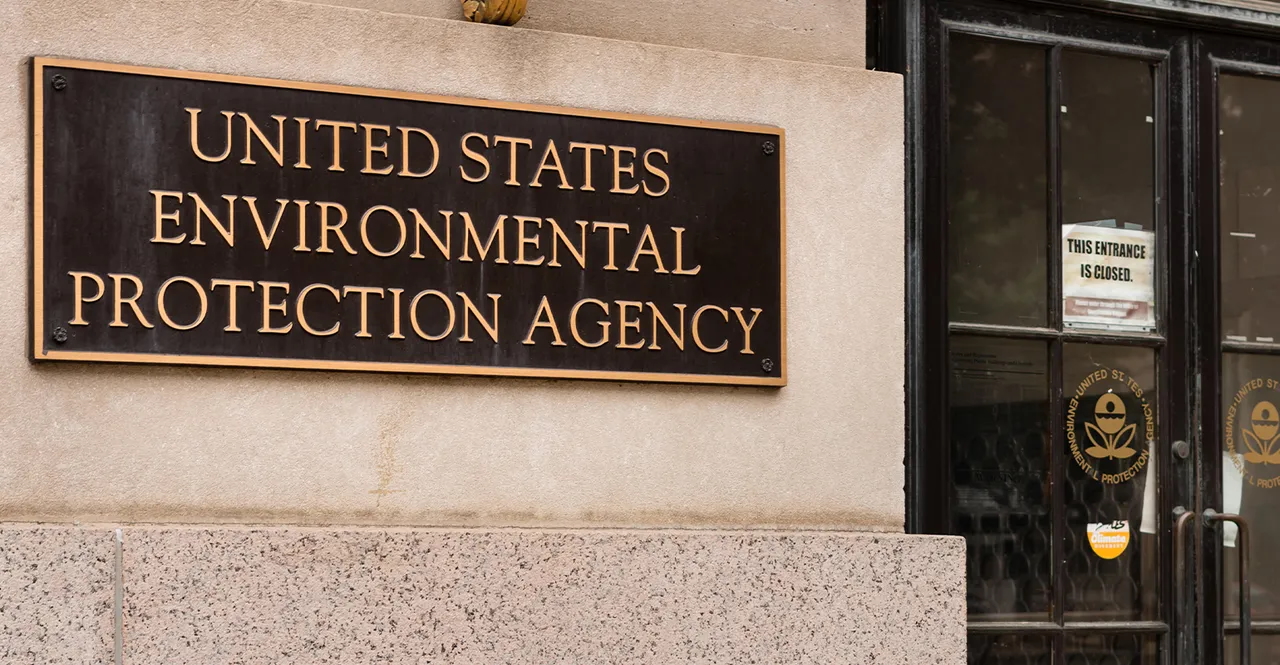
After years of court proceedings and litigation, the Environmental Protection Agency has upheld the ruling that companies producing “forever chemicals” are responsible for the cleanup of said chemicals.
According to Diane Husic, the executive director of the Center for the Environment, forever chemicals are PFAS, or per- and polyfluoroalkyl substances. PFA-based products first went on the market in 1946, when the DuPont Company introduced “Teflon.” From there, this groundbreaking invention became a part of many products, ranging from firefighting foam to non-stick pans. After years of widespread use, scientists began to realize their harm, which includes contaminating waterways, leading to increased cancer risks and lowered immune systems in humans. But the realization came too late, and now these chemicals exist in high numbers in waterways, soil, plants and animals worldwide, reaching as far as Antarctica.
This is where the EPA comes in. Their new ruling is a step in the right direction in terms of fighting the harmful effects of forever chemicals, but it is hard to say what this ruling will look like in practice. Husic discussed how this will take effect.
Historically, holding companies accountable for their pollution under the Comprehensive Environmental Response, Compensation and Liability Act, otherwise known as the Superfund Act, was difficult. This act said that whoever causes pollution is responsible for cleaning it up, although it is hard to find the specific company responsible for effects seen hundreds and thousands of miles away.
With this new regulation, Husic says she has hope as it tackles the source of the issue. Instead of putting the work on the company using the chemicals, it is putting the responsibility on the company that produced them. “There are only 12 companies in the world that make these chemicals; they know where the plants were, they know what the uses were, so it should be easier to trace,” Husic says. Although it isn’t clear what exact methods will be used to clean up the chemicals, as they do not break down easily and cannot break down at all in the environment, this regulation sets a new path forward for the future of environmental remediation. A path that would not have been cleared without years of advocacy and legal battles from people passionate about helping the environment and their community.
While this work is happening at a national level, there are still precautions people can take to protect themselves from these pollutants. A major one is testing water wells and water supplies. This can be done on a home-by-home basis, or you can talk to your local legislature to see action at the town level. Husic wants to remind everyone that this work does not happen without voices in the community speaking out on these issues. She encourages students to reach out to school administration, local legislators or the many St. Lawrence University alums currently working as legislative aids if they have a concern about forever chemicals or any other environmental issues.