


Indonesia’s Political Turmoil

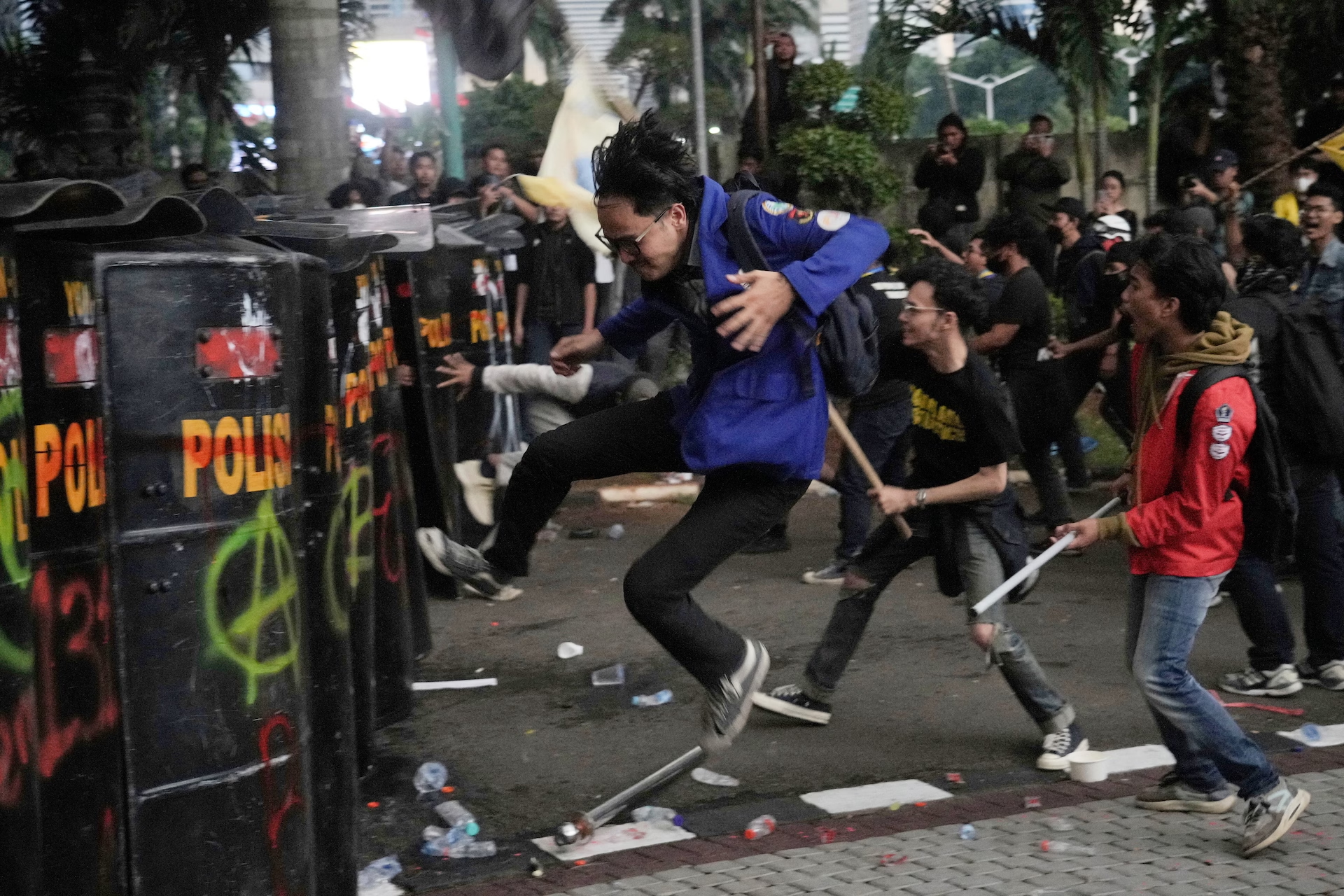
Since late August 2025, Indonesia has been shaken by waves of anti-government demonstrations that highlight deep public frustration with corruption, rising inequality, and government policy elitism.
For years, Indonesians have witnessed massive corruption scandals. In February 2025, the Attorney General’s Office revealed losses of Rp193 trillion ($11.9–12 billion) in the Pertamina crude oil corruption case (2018–2023), making it the second-largest corruption scandal in Indonesia’s history. Even larger is the tin mining case, with state losses estimated at Rp300 trillion (approximately US $18.2 billion), much of it linked to ecological destruction (CNN Indonesia).
Meanwhile, the Indonesian parliament (DPR RI) has faced mounting criticism over lavish salaries and allowances. In August 2025, reports revealed that each legislator receives at least Rp104 million per month ($6,349.7), including new housing allowances of Rp50 million ($3,052.75), despite the government’s calls for budget “efficiency” (Kompas.com). Such revelations further fuelled perceptions of a ruling elite detached from the struggles of ordinary citizens.
This all unfolded in the midst of a worsening economic situation. Critics argue the new allowance is not only excessive but also insensitive at a time when most Indonesians face soaring living costs, new taxes, and rising unemployment (CNN). The government’s decision to raise taxes further inflamed public anger. Abigail Muria, co-founder of What is Up Indonesia?, told Al Jazeera English on Aug. 29 that the protests reflect not just economic hardship but months of political frustration. Instead of compassion, citizens often encountered indifference or even insults from the government. For example, Ahmad Sahroni, an MP from the NasDem Party, provoked backlash by calling citizens “idiots” for demanding the dissolution of parliament. Such dismissive responses to legitimate criticism intensified distrust toward the legislature.
Amid the widespread demonstrations, reports circulated that some MPs left the country in the midst of the demonstrations. Sahroni was rumoured to have fled to Singapore, while other lawmakers, such as comedian-turned-politician Eko Patrio, were reported in Shanghai. To many Indonesians, these escapes symbolized the government’s indifference, as leaders seemed to “ignore” the crisis while ordinary citizens faced repression and loss.
The tension reached a tragic climax on Aug. 28, when 21-year-old Affan Kurniawan, a motorcycle delivery driver, was run over and killed by a police armored vehicle while working during protests in Jakarta. His death ignited nationwide outrage, sparking riots in several cities. The official death toll now lists at least nine casualties, including students, with hundreds injured. Civil society groups and the United Nations have condemned the use of excessive force by Indonesian police, such as the firing of tear gas near campuses. Now the police are still making arrests, even kidnapping dozens of demonstration activists.
A protester walks with an Indonesian flag in front of the looted police headquarters building in Surabaya, Indonesia, on Aug. 31, 2025 (Juni Kriswanto/AFP via CNN)
On Sept. 2, the UN human rights office urged investigations into “all alleged violations of international human rights law, including with respect to use of force” (The Jakarta Post). UN spokeswoman, Ravina Shamdasani, stressed the importance of upholding rights to peaceful assembly and freedom of expression while maintaining order, in line with international norms. She also highlighted the role of the media in reporting freely and independently.
Meanwhile, a wave of solidarity from the Indonesian diaspora has emerged in cities around the world. From New York to Melbourne and Berlin, hundreds of Indonesians abroad—students, workers and ordinary citizens- rallied in support of the ongoing demonstrations back home. Carrying banners and national flags, they echoed calls for justice and reform, amplifying the voices of those facing state repression in Indonesia.
The protests, both at home and abroad, underscore the growing frustrations with systemic corruption, lack of accountability, and widening inequality. As Indonesians continue to take to the streets, the crisis reveals deep structural failures in governance and representation. Whether the country’s democratic institutions can withstand this test remains uncertain, but what is clear is that the people’s voices show a nation unwilling to remain silent.